


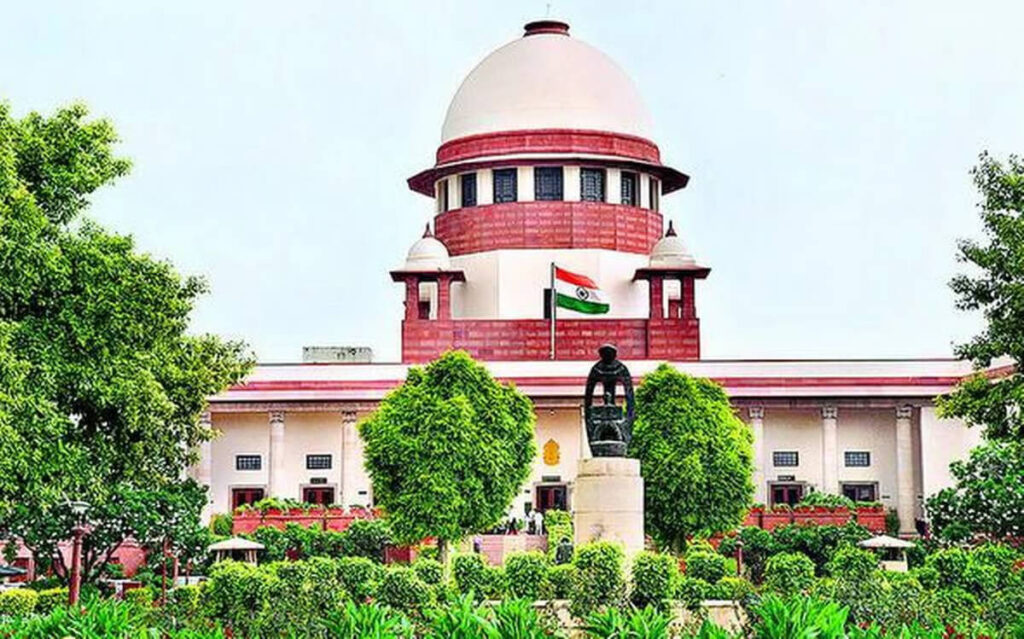
India’s Supreme Court has postponed hearings on the constitutional challenge to the country’s new real-money gaming (RMG) ban until early 2026. Chief Justice Surya Kant confirmed that the case, following an appeal from Head Digital Works (HDW), operator of A23 Rummy, will “likely” be heard by a three-judge bench next month. Lawyers for RMG operators in India had requested an earlier hearing, citing the urgency of the matter, but the court insisted the case will be listed in January.
PROGA Law Sparks Debate
The legal challenge arises after Parliament passed the Promotion and Regulation of Online Gaming Act (PROGA) in August. The law effectively shuts down all Indian RMG platforms, impacting an industry valued at Rs230 billion (US$2.75 billion). HDW described the legislation in India as a “product of state paternalism” and sought a ruling declaring it unconstitutional.
Supporters of PROGA argue the law protects vulnerable citizens from exploitation. The Centre for the Promotion and Regulation of Online Gaming linked RMG’s expansion to financial fraud, money laundering, tax evasion, and even terrorism financing. Lok Sabha member Bansuri Swaraj called PROGA a necessary intervention to stop the industry from hiding behind the notion of “skill-based” gaming in India.
Offshore Platforms See Surge in Activity
PROGA bans any app or online platform offering money-based gaming, without distinguishing between games of chance and skill-based formats like fantasy sports. Jaya Chahar, founder and CEO of JCDC Sports, warned that the ban in India pushes engagement to unregulated offshore platforms, undermining consumer protection.
A survey cited by the Economic Times shows a sharp shift in player behaviour. Before the ban, only 3.4% of users spent more than two hours on offshore sites. After the law took effect, that figure rose to 44%, with players reporting significantly more time spent on these platforms. The survey also noted that 93.7% of respondents found deposit and withdrawal processes on offshore sites “easy” or “very easy,” encouraging repetitive play.
Industry Faces Significant Losses
By mid-November, banned RMG platforms in India had recorded asset write-downs exceeding $840 million. Approximately 7,000 Indian workers reportedly lost their jobs due to the shutdown, highlighting the economic impact of the legislation.
