


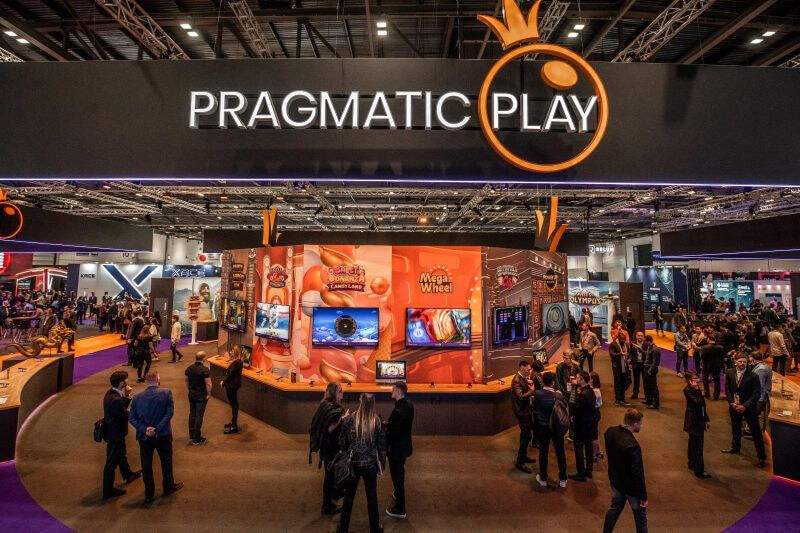
Pragmatic Play has announced it will no longer license its games to US sweepstakes operators, just days after being named in a Los Angeles lawsuit targeting Stake.us.
The move, first reported by NEXT.io, makes Pragmatic Play the first major content supplier to withdraw from the controversial sweepstakes casino sector. Regulatory pressure and legal risks are intensifying.
“Pragmatic Play has chosen to discontinue licensing its games to sweepstake operators in US states where restrictions were not already in place,” a company spokesperson said. This decision is due to regulatory developments and evolving legislation. “We remain committed to the highest standards of compliance. We will continue to engage transparently with regulators.”
A Strategic Exit
Pragmatic’s departure follows a civil enforcement action brought by the Los Angeles City Attorney against Stake.us. It also named several major suppliers as defendants. While Pragmatic was listed, the supplier is not currently active in the regulated US iGaming market. This sets it apart from others implicated.
Industry analysts suggest the exit may be a calculated step toward entering the legal US online casino market in the future.
Other Suppliers Take Action
Evolution also pulled its content from Stake.us in California on September 1, further signaling industry caution. Meanwhile, some major providers, including Light & Wonder and Play’n GO, have consistently avoided sweepstakes entirely.
In May, Play’n GO CEO Johan Törnqvist explained the company’s stance: “Sweepstakes casinos do not operate inside a regulated framework and that’s not something we support. Our commitment to regulated markets is absolute. We will never supply our games to sweepstakes casinos.”
California’s Ban Looms
The timing aligns with mounting legislative efforts in California, where Assembly Bill 831 seeks to outlaw online sweepstakes casinos. The bill, now heading for a Senate floor vote, would make it illegal for any “entity, financial institution, payment processor, geolocation provider, gaming content supplier, platform provider, or media affiliate” to knowingly support sweepstakes gaming.
A recent amendment inserting the word “knowingly” offers partial relief for some suppliers who rely on aggregators. This change may potentially limit their liability. Still, if passed, the law could reshape the sweepstakes landscape overnight.
