


Brazil has formally approved a gradual tax increase on sports betting operators, as President Luiz Inácio Lula da Silva signed Complementary Law No. 224 into effect. Published in a special edition of the Diário Oficial da União, the legislation will begin applying in 2026. This represents a major step in the government’s effort to strengthen fiscal revenues while tightening oversight of the regulated betting market.
Under the new framework, the gross gaming revenue (GGR) tax on fixed-odds sports betting will rise progressively from 12% to 15% by 2028. Combined with broader fiscal changes involving fintech regulation and Interest on Equity (JCP), the government estimates the package could generate around R$20 billion in additional revenue over the coming years.
From Congress to Law: How the Measure Was Approved
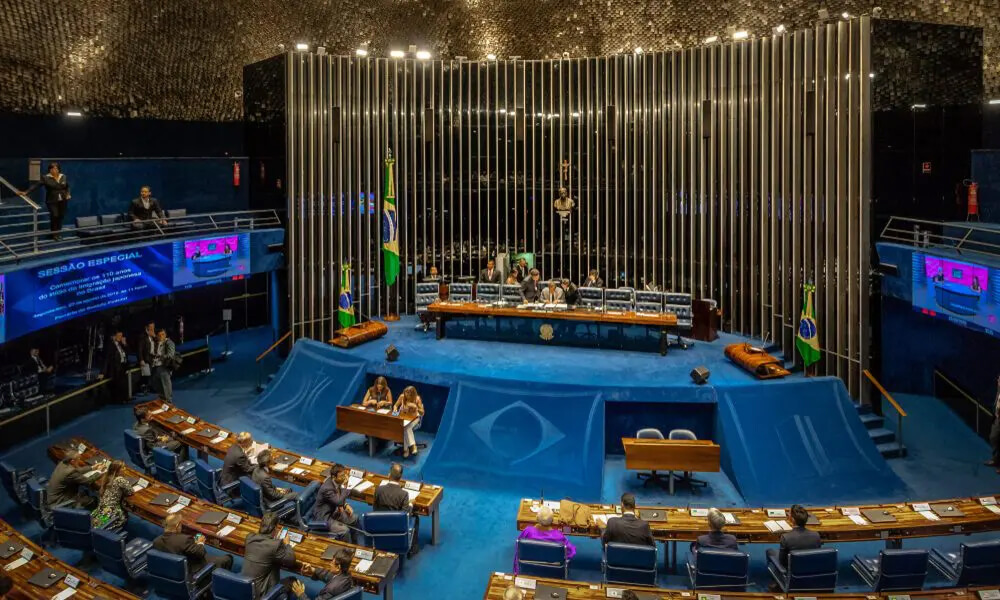
The tax reform cleared the Chamber of Deputies in July, passing with 310 votes in favor and 85 against based on the substitute report to Complementary Bill 128/2025. After approval in the lower house, the proposal advanced to the Senate. Negotiations were coordinated with Senate President Davi Alcolumbre before final enactment.
The law’s passage followed months of debate and revisions. It reflected concerns over market stability, illegal betting activity, and the long-term sustainability of Brazil’s rapidly expanding sports betting sector.
Shared Liability Introduced for Payments and Advertising
One of the most consequential elements of Complementary Law No. 224 is the introduction of shared tax liability beyond betting operators themselves. Financial institutions and payment service providers that process transactions for unauthorized betting platforms may now be held jointly responsible for unpaid taxes.
This liability applies only after institutions receive formal notification from authorities and fail to act within the required timeframe. The same principle extends to individuals and companies that advertise or promote unlicensed betting operators. This significantly expands the scope of accountability across the ecosystem.
The law states that financial and payment institutions “respond jointly with taxpayers for taxes levied on the exploitation of fixed-odds betting” if they continue enabling transactions after official warnings. Advertising entities that promote unauthorized operators face identical responsibility. The Ministry of Finance will define the technical and procedural details for enforcement.
Revenue Allocation Framework Adjusted
Complementary Law No. 224 also amends Article 30 of Law No. 13.756/2018, reshaping how betting-related tax revenue is distributed. After statutory deductions, 85% of revenue will ultimately be allocated to the operating and maintenance costs of licensed betting operators. Moreover, 3% to social security, and 12% to designated public initiatives, with half of the social security share earmarked for healthcare programs.
The transition to this structure will be phased in. In 2026, operators will retain 87%, while social security receives 1%. In 2027, these shares adjust to 86% and 2%, respectively, before reaching their final allocation in 2028.
Monthly tax calculation and collection will be overseen by the Federal Revenue Service of Brazil. They will issue operational guidance for licensed operators. The law specifies that contributions must be “calculated and collected monthly by the operating agents” in accordance with federal rules.
A Negotiated Tax Ceiling
The final 15% GGR tax rate reflects a political compromise. The Ministry of Finance initially proposed a higher rate of 18%. However, economic analysis and industry feedback led lawmakers to adopt a more gradual increase.
Rapporteur Aguinaldo Ribeiro said the objective is to curb illegal betting and predatory practices while ensuring the regulated sector contributes more meaningfully to public finances. He emphasized the need to protect vulnerable populations. Furthermore, reinforcing social security funding through betting-related revenues is crucial.
Beyond Taxation: A Broader Regulatory Signal
While the tax increase is the headline change, the legislation signals a broader regulatory tightening. By explicitly extending liability to payment processors and advertisers, the government is reinforcing its commitment to combating illegal betting. Moreover, it strengthens compliance and closes enforcement gaps.
As Brazil consolidates its betting framework, operators, financial institutions, and marketing partners now face clearer legal boundaries and heightened responsibility. The direction from Brasília is clear: Participation in the betting ecosystem comes with shared accountability. Failure to comply will carry financial and legal consequences.
