


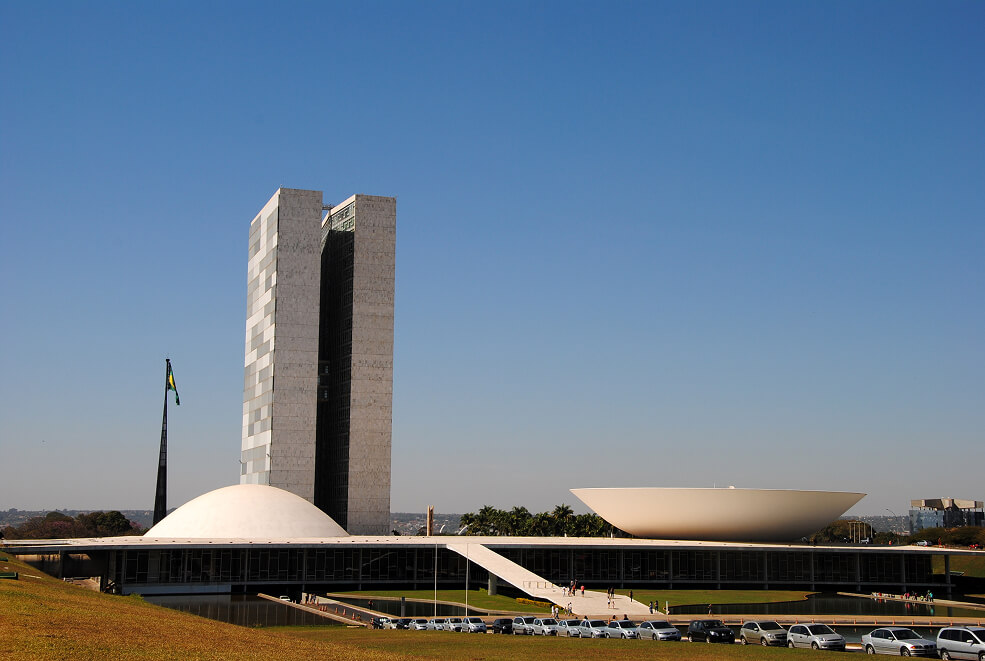
Brazil’s Congress is actively debating new proposals to redirect a growing share of regulated betting tax revenue toward strategic public sectors, including sports development, education, defense, and public security.
The discussions come as Brazil’s regulated betting market continues to generate rapidly expanding fiscal returns.
Betting Tax Revenue Surges in 2026
Official data shows that Brazil’s federal government collected:
- BRL 3.4 billion in betting taxes during Q1 2026
- 123.7% year-over-year growth
- BRL 9.95 billion total during 2025
This sharp increase has intensified legislative debate over how betting-generated funds should be distributed.
Military Sports and Education Funding Proposed
One major legislative initiative involves Bill PL 6.124/2025, which proposes amending Law 13.756/2018 to redirect a portion of sports betting allocations from the Ministry of Sports to the Ministry of Defence.
The objective is to support:
- Military sports development programs
- Athlete training initiatives
Separately, lawmakers are also considering using betting tax revenue to support the creation of a Federal University of Sports in Brasília.
Public Security to Receive Dedicated Funding
Brazil’s government has also moved to allocate part of betting tax revenues toward federal law enforcement.
Under a presidential provisional measure:
- 1% of betting tax revenue goes to Funapol in 2026
- 2% in 2027
- 3% from 2028 onward
These funds will support:
- Federal Police equipment
- Operational capacity
- Security infrastructure
Betting Becomes a Structural Fiscal Contributor
Industry studies suggest Brazil’s regulated betting market is evolving into one of the country’s most heavily taxed sectors.
Key figures include:
- 12% tax on Gross Gaming Revenue (GGR)
- Additional PIS/Cofins obligations
- Estimated effective tax load rising from 32% in 2025 to 42% by 2033
Illegal Market Remains a Major Obstacle
Despite strong regulated growth, Brazil continues facing serious challenges from illegal operators.
Current estimates suggest:
- Illegal operators control 41–51% of total betting activity
- Over 61% of Brazilian bettors used unregulated platforms in 2025
This creates ongoing concerns regarding:
- Consumer protection
- Tax leakage
- Regulatory sustainability
Balancing Economic Growth and Consumer Protection
Lawmakers and industry leaders increasingly agree that Brazil’s long-term betting strategy must focus on:
- Public benefit reinvestment
- Responsible gambling policies
- Aggressive illegal market suppression
- User protection
Betting Revenue Becomes Strategic Policy Tool
Brazil’s regulatory framework is increasingly positioning betting tax revenue not merely as fiscal income, but as a broader economic development tool capable of funding key national priorities while supporting structural reforms.
However, sustained success will depend heavily on reducing illegal market influence and preserving confidence in the regulated ecosystem.
