


Brazil’s regulated betting industry has avoided a major tax increase after lawmakers removed a proposed 15% deposit tax from the country’s Antifaction Bill. The decision eliminates both the deposit levy and a controversial retrospective tax proposal, offering relief to operators navigating the early stages of Brazil’s newly regulated gambling market.
Deposit Tax Removed From Final Legislation
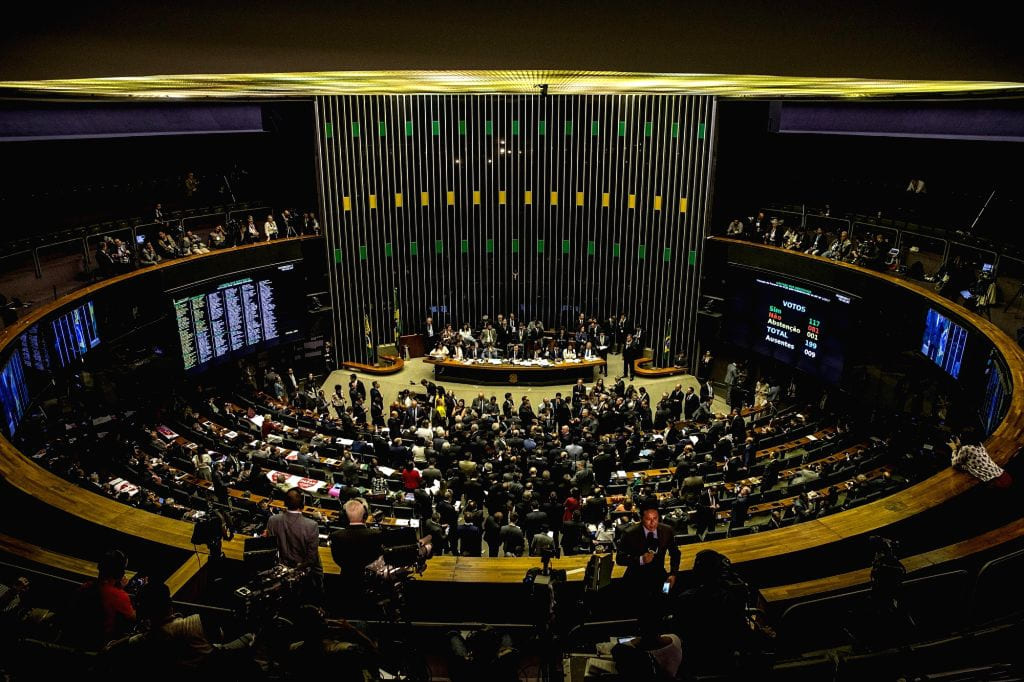
The Chamber of Deputies approved the Antifaction Bill without Article 14, which would have introduced a 15% tax on player deposits made to licensed betting platforms.
The tax had previously been included in the Senate version of the bill but was removed through an amendment before the final vote. As a result, the legislation will proceed without imposing an additional levy on player transactions.
Industry stakeholders had warned that deposit-based taxation could negatively affect channelization rates, potentially pushing bettors toward unregulated operators. Unlike taxes based on operator revenue, deposit taxes directly affect player activity, making them particularly sensitive for market growth.
Removing the provision helps preserve Brazil’s current tax framework as the regulated betting sector continues to develop.
Retrospective Tax Proposal Also Removed
Lawmakers also scrapped a separate provision that would have imposed a 15% tax on gambling revenue generated between 2018 and 2024.
The retrospective measure would have targeted operators that were active before the implementation of Brazil’s current regulatory framework. Its removal eliminates the risk of unexpected liabilities tied to past operations.
The decision provides greater regulatory clarity for companies currently operating in or considering entry into the Brazilian market.
Tax Debate Continues
Despite the removal of the deposit tax, Brazil’s betting sector remains subject to significant fiscal obligations. The industry already faces taxation on gross gaming revenue as part of the country’s broader regulatory framework overseen by the Secretariat of Prizes and Betting under the Ministry of Finance.
Plínio Lemos Jorge, president of the National Association of Games and Lotteries, warned that excessive taxation could undermine the regulated market.
“Although the project’s stated objective is to combat criminal organisations, over-taxation of the regulated market tends to produce the opposite effect,” he said.
While the immediate tax increase has been avoided, policymakers continue to balance fiscal goals with the need to maintain a competitive and sustainable regulated betting industry.
