


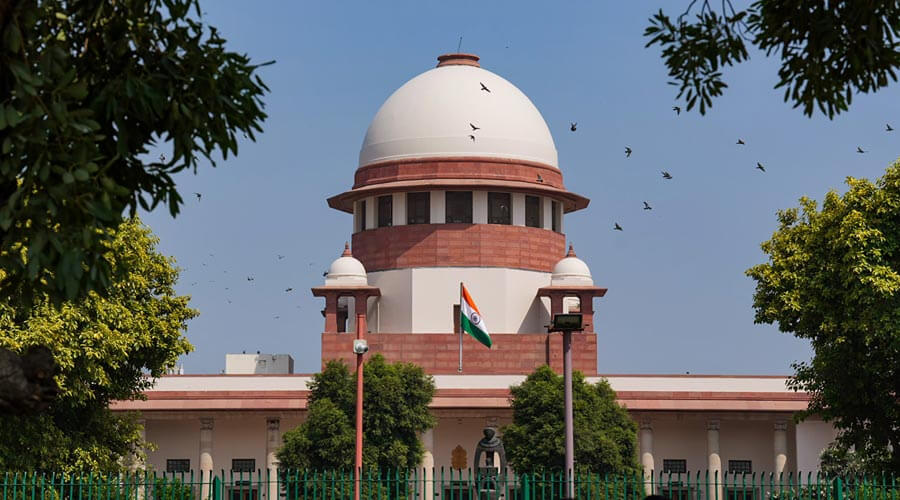
India’s Supreme Court has upheld state-level restrictions on real-money online gaming. The Court ruled that wagering on the outcome of any game, including skill-based games, falls within the scope of betting and gambling regulation.
The decision represents one of the most significant judicial rulings affecting India’s online gaming industry. In addition, it strengthens the legal foundation for both state and national restrictions on real-money gaming activities.
Court Backs State Regulatory Powers
The ruling was delivered on May 27, 2026, in the case of State of Tamil Nadu & Others v. Junglee Games India Pvt. Ltd. & Others.
At the center of the dispute was whether Indian states could regulate or prohibit wagering on games that involve elements of skill. These games include rummy, poker, and fantasy sports.
Gaming companies argued that skill-based games constitute legitimate business activities protected under India’s Constitution. Therefore, they fall outside the scope of state gambling laws.
The Supreme Court rejected that position. The Court ruled that while playing a game of skill may be lawful, wagering money on uncertain outcomes constitutes betting activity. Consequently, it can be regulated or prohibited by state governments.
Skill and Gambling Treated Separately
The court distinguished between participation in a game and wagering on its outcome.
According to the judgment, constitutional protections may apply to skill-based gaming activities. However, those protections do not automatically extend to the act of placing monetary stakes on uncertain results.
As a result, states retain authority to regulate or prohibit wagering activities under constitutional provisions relating to betting and gambling.
The decision overturns earlier rulings from lower courts that had sided with gaming operators. Those lower courts had based their decisions on the argument that skill-based games should not be classified as gambling.
Public Health and Consumer Protection Concerns
Beyond the constitutional questions, the Supreme Court also addressed the broader social impact of online wagering.
The judgment highlighted concerns relating to gambling addiction, financial harm, and public welfare. It also noted that technological developments have significantly increased access to online betting products.
The court stated that mobile technology has enabled gambling activities to become more widely accessible. This development has created new challenges for regulators and policymakers.
These observations are expected to influence future regulatory discussions surrounding online gaming and consumer protection in India.
Impact on the Gaming Industry
The ruling arrives as India continues to implement stricter controls on real-money online gaming.
In 2025, the government introduced legislation prohibiting real-money online gaming activities, related advertising, and associated payment transactions. Several major gaming platforms subsequently suspended wagering-based products in response to the new framework.
By supporting the authority of states to regulate wagering on skill-based games, the Supreme Court has strengthened the legal position of both state-level restrictions and broader national regulatory measures.
Industry Faces Ongoing Uncertainty
The case originated from legal challenges brought by gaming operators following amendments to gaming laws in Tamil Nadu and Karnataka.
Junglee Games, one of India’s largest online rummy operators, was among the primary respondents in the proceedings.
While legal challenges to India’s broader online gaming framework remain ongoing, the Supreme Court’s decision is expected to have a lasting impact on the industry’s regulatory landscape. Furthermore, it may encourage further restrictions on real-money wagering activities across the country.
The ruling also reinforces a growing policy trend of treating online gaming regulation as a matter of consumer protection, public health, and financial risk management. This approach is now favored rather than seeing it solely as a gambling classification issue.
