


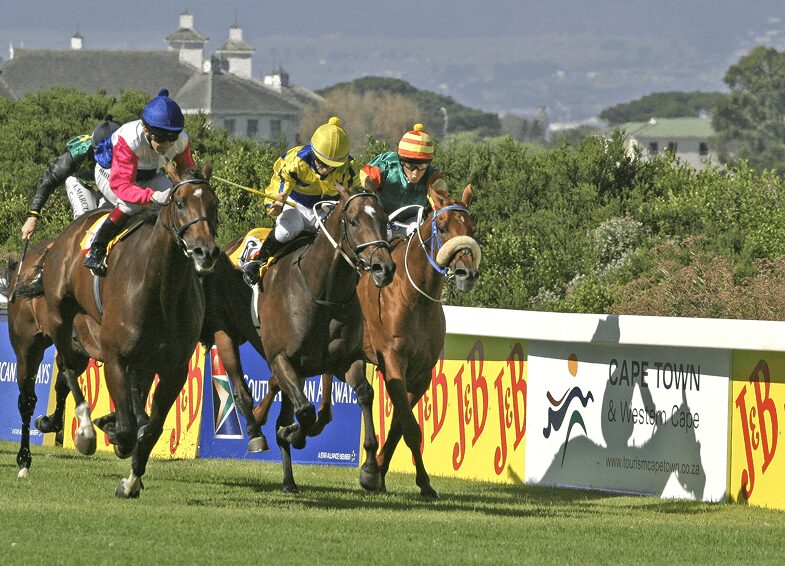
Cape Town will roll out the glamour this weekend for one of South Africa’s most iconic race days. The World Sports Betting Cape Town Met, set for Saturday, 31 January at Hollywoodbets Kenilworth, remains a flagship event filled with fashion, hospitality, and high-profile racing.
However, behind the spectacle, the sport itself is facing mounting pressure. While the Met still delivers prestige, horse racing’s position in South Africa’s betting economy has weakened sharply, raising serious questions about long-term sustainability.
Racing Shrinks in a Rapidly Expanding Gambling Market
South Africa’s overall gambling market has grown at an extraordinary pace. According to National Gambling Board figures, total gambling turnover stood at around R100 billion in 2002. By the end of March 2025, that figure had surged to approximately R1.5 trillion.
Yet horse racing has failed to keep pace with that explosive growth. Vee Moodley, CEO of the National Horseracing Authority (NHA), said racing now generates roughly R11 billion a year, representing less than 1% of total gambling activity. Within that, the traditional tote system contributes just over R1.7 billion, a figure Moodley says highlights how outdated the current model has become.
Crucially, Moodley acknowledged that racing’s survival increasingly depends on external support. He pointed to Hollywoodbets and the Oppenheimer family as major sponsors whose backing is helping to keep the industry afloat. Without that support, he suggested, the financial picture would look far more fragile.
Younger Bettors Turn to Faster, Digital Products
At the heart of racing’s decline is a shift in how South Africans bet. Online sports betting and digital wagering platforms now dominate, offering fast, high-frequency betting opportunities that fit mobile-first habits.
Moodley said racing struggles to compete in this environment. Traditional racing requires bettors to study form, understand complex markets, and wait between races. By contrast, modern bettors increasingly prefer instant gratification, with opportunities to place wagers every few seconds.
He warned that racing cannot simply “dumb down” its product to chase speed. Instead, the sport needs new strategies to attract attention and remain relevant, rather than trying to copy formats that already dominate smartphones and live-betting apps.
International Demand Offers a Lifeline
Despite domestic challenges, South African racing continues to perform well on the global stage. Moodley highlighted the country’s strong breeding industry, respected racing standards, and cost advantages. Thanks to favorable exchange rates, South Africa can reportedly produce a foal at around one-twentieth of the cost seen in some major international markets.
This weekend’s Cape Town Met underscores that international appeal. The Hong Kong Jockey Club will host betting pools on the meeting under an agreement involving Race Coast WC and the NHA. Moodley estimated that Hong Kong turnover alone could reach R300 million to R400 million on South African racing.
A Sport at a Crossroads
While the Cape Town Met continues to deliver glamour and global attention, the broader picture is clear: horse racing is no longer a major force in South Africa’s booming betting market.
To stay relevant, industry leaders say racing must rethink its business model, modernise its appeal, and better connect with a new generation of bettors—while continuing to leverage strong international demand. Without meaningful change, the sport risks becoming a niche attraction in a gambling economy that has moved on.
