


Philippine authorities can now pursue the forfeiture of buildings, gaming equipment, and proceeds linked to prohibited Philippine Offshore Gaming Operators (POGOs) without waiting for related criminal cases to conclude.
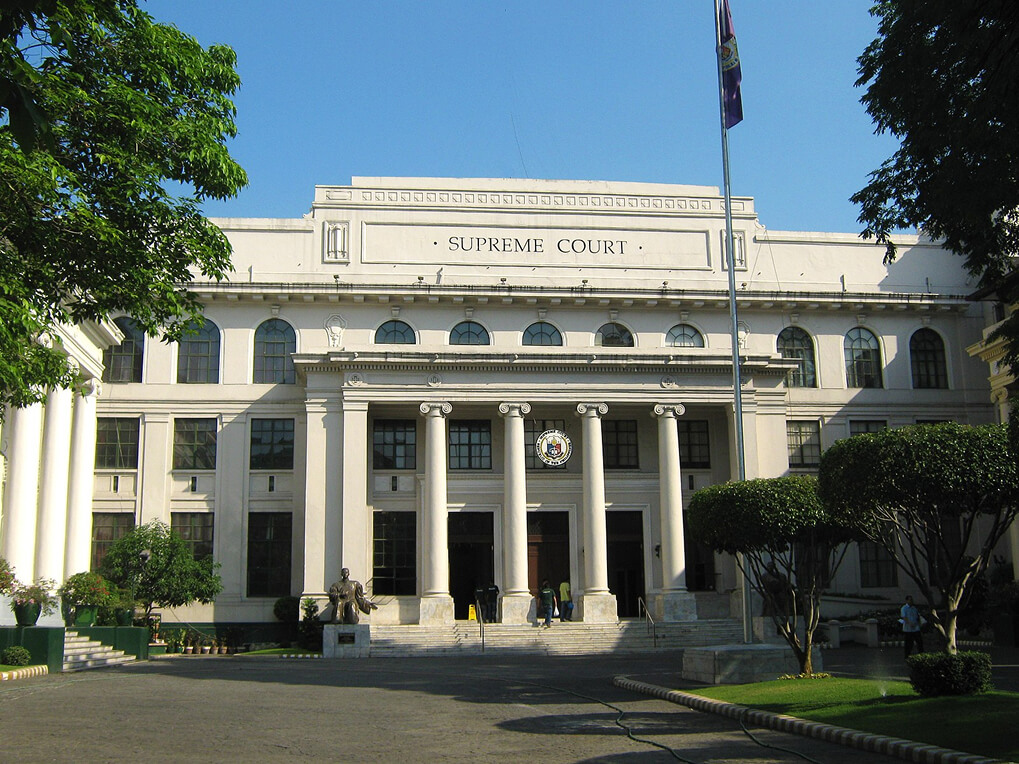
The Supreme Court approved new civil forfeiture rules under Republic Act No. 12312, also known as the Anti-POGO Act of 2025. The rules will take effect 15 days after their publication on August 9 and strengthen enforcement of the Philippines’ nationwide POGO ban.
New Rules Strengthen POGO Enforcement
President Ferdinand Marcos Jr. announced the POGO ban in July 2024 and ordered licensed operators to shut down by the end of that year. The government later formalised the prohibition through the Anti-POGO Act, which took effect in October 2025.
Under the law, authorities can seek forfeiture of properties used directly or indirectly for prohibited POGO activities. These assets include buildings, facilities, gaming equipment, related materials, and proceeds from illegal operations.
Unlike criminal prosecution, civil forfeiture focuses on whether an asset has a connection to unlawful activity. As a result, authorities can pursue the process even if a related criminal case remains unresolved.
Courts Can Freeze Assets During Proceedings
Law enforcement agencies and other government bodies can file forfeiture petitions through the Office of the Solicitor General before the appropriate Regional Trial Court.
Once a petition reaches the court, judges must determine within 24 hours whether probable cause exists. If they find probable cause, the court can restrict the transfer, concealment, disposal, or dissipation of the assets while proceedings continue.
If the court finds no probable cause, it must dismiss the petition. Respondents can then seek the return of previously seized property once the dismissal becomes final.
The rules also allow courts to release some assets before a final judgment when necessary to support government operations or assist victims.
Gaming Equipment Faces Strict Controls
Authorities generally cannot destroy seized gaming equipment before a court issues a final forfeiture judgment. However, courts may authorise earlier destruction in urgent public-safety situations, provided officials hold a hearing and preserve relevant forensic evidence.
The new rules give Philippine authorities a stronger tool to target the financial assets and infrastructure connected to prohibited POGO operations, even when criminal proceedings take longer to resolve.
