


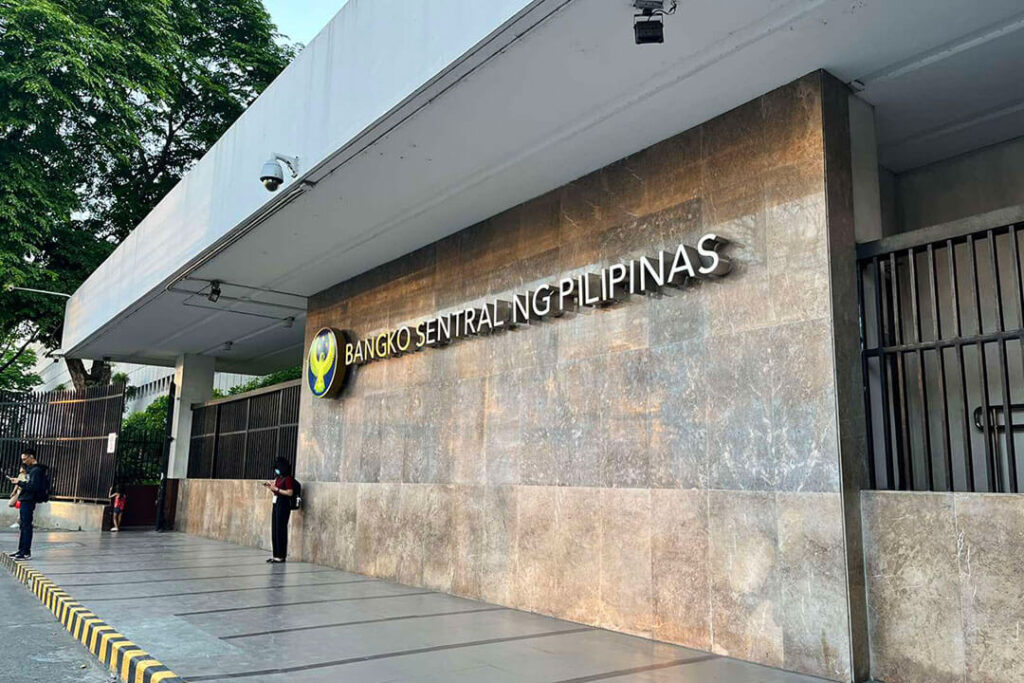
The Bangko Sentral ng Pilipinas (BSP) has issued new guidance. It requires banks and other supervised financial institutions to strengthen anti-money laundering and countering the financing of terrorism (AML/CFT) controls for customers involved in casino junket operations.
The guidance follows a thematic review of banks with exposure to junket operators. It is intended to help financial institutions better identify, assess, and manage money laundering risks associated with the sector.
New Risk Management Guidance Issued
The BSP said casino junket operators present elevated AML/CFT risks due to the cash-intensive nature of their business. Furthermore, cross-border transactions and the use of intermediaries increase the risks.
The guidance recommends stronger risk management across five key areas: board and senior management oversight, AML/CFT programmes, customer acceptance and identification, ongoing transaction monitoring and suspicious transaction reporting, and staff training and self-assessment.
The central bank also encouraged banks to adopt enhanced due diligence measures and automated transaction monitoring. In addition, banks should consider client relationship analysis and independent verification with regulatory authorities.
Banks Urged to Strengthen Controls
The BSP’s review found that most financial institutions already classify casino junket operators as high-risk customers. Furthermore, they apply enhanced due diligence during onboarding and ongoing monitoring.
Despite these measures, the regulator identified areas requiring further improvement. These include the development of dedicated risk management frameworks for junket clients and expanded staff training on sector-specific risks.
The guidance also outlines several warning signs. These include unusual cash transactions, unexplained cheque deposits, complex ownership structures, layered financial transactions, and the use of non-cash instruments to transfer funds into and out of casinos.
Greater Cooperation Across Regulators
The BSP said effective oversight will require stronger cooperation between financial institutions and the Philippine Amusement and Gaming Corporation (PAGCOR). In addition, collaboration with the Anti-Money Laundering Council and other supervisory authorities is vital.
The central bank noted that limited information on registered and delisted junket operators, beneficial ownership, and related entities continues to present challenges for banks. It added that shell companies and layered transaction structures remain key vulnerabilities in monitoring financial flows.
The latest guidance follows PAGCOR’s recent directive calling on casino operators to strengthen their AML/CFT frameworks. In particular, the directive targets areas involving VIP gaming, junket operations, electronic gaming, and cross-border transactions.
