


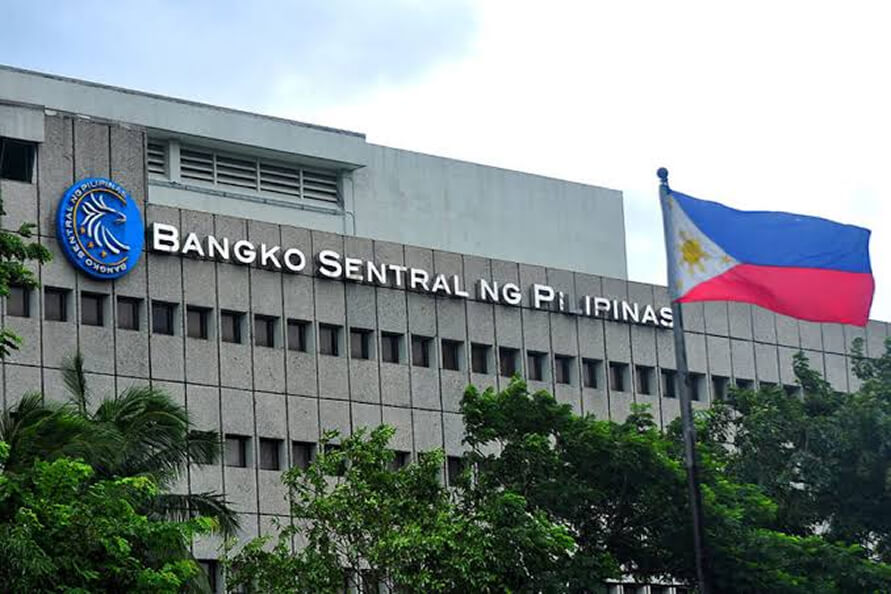
Payment service providers in the Philippines could face license revocation if they repeatedly fail to prevent illegal online casinos from using their platforms. Regulators are intensifying scrutiny of disguised gambling transactions.
The Bangko Sentral ng Pilipinas (BSP) identified suspicious payment activity involving thousands of small-value transactions. These included payments of around PHP50 ($0.80), according to Bloomberg.
Illegal Casinos Use Legitimate Merchant Profiles
BSP Deputy Governor Mamerto Tangonan said authorities found transactions linked to merchants that appeared to operate as beauty salons, bakeries and other ordinary businesses.
Many transactions occurred after midnight or during the early morning, prompting further investigation. Authorities determined that some of the payments represented bets placed with online casinos.
More than 8,000 merchant accounts have since been closed over alleged illegal activities. Small local retailers were also reportedly used as payment recipients.
BSP Tightens Merchant Screening
The BSP has proposed new requirements that would place greater responsibility on payment service providers. They must identify and prevent illegal activity.
Under the draft measure, providers would need to collect additional information about merchants, including ownership details and business licences. They would also need to maintain databases containing verified information on legitimate merchants.
The measures target risks created by merchant aggregators, which connect payment providers with large numbers of smaller businesses. While aggregation can expand access to digital payments, it can also make it harder to identify the ultimate recipient of funds.
Tangonan said payment providers could be held accountable when illegal activities continue through their systems despite insufficient controls.
PAGCOR Coordinates With BSP
The Philippine Amusement and Gaming Corporation (PAGCOR) has also identified cases in which apparently legitimate businesses operated as unregistered online casinos.
PAGCOR Chairman Alejandro Tengco said the regulator was coordinating with the BSP to address these networks and strengthen enforcement.
The issue carries growing importance as digital payments become more dominant in the Philippines. Digital transactions represented about two-thirds of retail payments in 2025, compared with 57% in 2024 and 10% in 2018.
For payment firms, the regulatory direction increases the importance of merchant due diligence and transaction monitoring. It also emphasizes effective controls across third-party payment and aggregation networks.
