


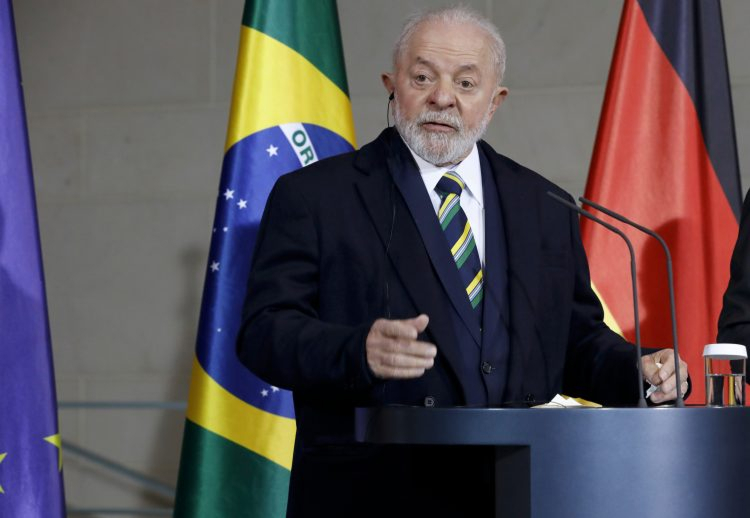
Brazilian President Luiz Inácio Lula da Silva has once again voiced strong opposition to the country’s sports betting industry. He stated that he would prefer to see all bookmakers shut down entirely if the decision were solely his.
Speaking on ICL News, Lula criticised the rapid expansion of online gambling. He described it as an “unbridled” activity that he believes is contributing to financial and social harm across the country.
Renewed Criticism of Brazil’s Betting Market
Lula’s comments come amid ongoing debate over the regulated betting framework introduced in Brazil. This framework officially came into force in early 2025. While the president signed Bill PL 2626/2023 into law in 2023, he has consistently expressed reservations about the sector’s broader impact.
In earlier remarks, he warned about the negative consequences of unchecked gambling growth. He also questioned whether tighter restrictions or even elimination should be considered.
Shift From Regulation to Restriction
Although sports betting was initially legalised under former president Michel Temer, Lula has taken a more restrictive stance since returning to office. While he did approve the legislation, he later introduced partial vetoes affecting taxation exemptions. And also supported gradual tax increases, with operators expected to face a 15% tax rate by 2028.
He has also dismissed the argument that betting revenues are essential for football funding. He stated that the sport “survived for more than a century without them.”
Political Tensions Ahead of Election Year
The renewed criticism comes as Brazil moves into an election year in 2026. Lula is expected to seek another term in office. His rhetoric is increasingly seen as part of a broader political narrative. This approach is aimed at addressing public concerns around gambling harm.
However, industry stakeholders have pushed back against his position. They warn that further restrictions could undermine the stability of Brazil’s newly regulated market.
If Lula secures re-election, analysts suggest there could be a significant shift in regulatory direction. This could potentially reverse or tighten aspects of the current betting framework.
