


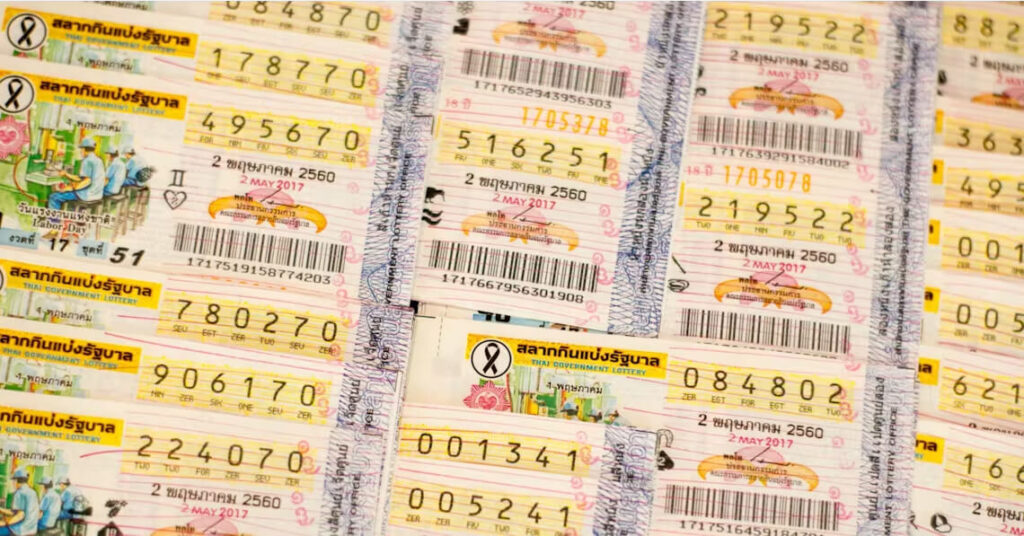
The Thai government has unveiled a new plan to transform lottery spending into long-term financial security. Citizens who purchase digital lottery tickets but fail to win will soon have the option to redirect that money into personal retirement savings accounts. This information is according to The Nation.
Deputy Prime Minister and Finance Minister Ekniti Nitithanprapas confirmed on Wednesday that the scheme is in its final stages. It will roll out within four months. He stressed that it is distinct from the existing “Lottery Pension” managed by the National Savings Fund.
How the Scheme Works
Under the proposal, the portion of ticket prices normally reserved for returns will instead be transferred into individual savings accounts. These accounts operate under rules similar to Retirement Mutual Funds. Participants can withdraw funds once they reach 55. Those 56 and older may continue saving for up to five additional years. Balances can also serve as collateral for loans, providing participants with extra liquidity.
The initiative applies only to purchases made through the state’s “Pao Tang” app, ensuring accurate tracking and account crediting.
Promoting Savings, Not Gambling
Permanent Secretary Lavaron Sangsnit emphasized that the measure aims to foster stronger saving habits rather than stimulate gambling. To support the programme, the government will use part of the 17% revenue share typically allocated to the Government Lottery Office. The savings will be managed under a secure fund structure. This structure prioritizes capital preservation.
Additional Financial Tools for Seniors
Alongside this initiative, the Ministry of Finance plans to launch a monthly government bond programme tailored to retired people and those approaching retirement age. Offering a 1% interest rate, the bonds will provide a safe and simple investment channel for retail investors.
By linking lottery participation to retirement savings, Thai officials hope to convert gambling losses into a path toward financial stability for millions of citizens.
