


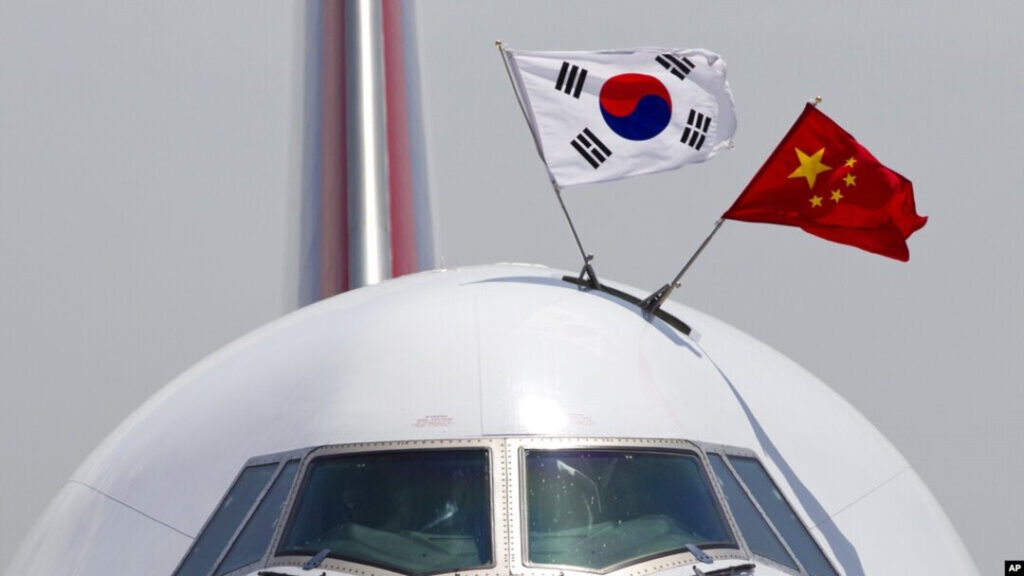
South Korea’s casino and tourism industries are preparing for a surge in Chinese visitors after the government announced a temporary visa-free entry program for group travelers from China starting September 29, 2025.
The policy, which runs until June 30, 2026, allows Chinese tour groups of three or more to enter the country without a visa for up to 15 days. As a result, it marks the most significant easing of travel restrictions since the pandemic.
Industry Sees Policy as a Lifeline
Stakeholders view the initiative as crucial, especially for foreigner-only casinos that rely heavily on Chinese tourists. According to the Korea Tourism Organization (KTO), Chinese arrivals reached 2.54 million in the first half of 2025, recovering to nearly 90% of 2019 levels.
Meanwhile, the upcoming October Golden Week holiday in China will serve as the first real test of the policy’s impact.
Casinos Roll Out Digital Perks and Holiday Deals
Jeju remains central to the country’s tourism rebound. At Jeju Dream Tower, operated by Lotte Tour Development, Chinese visitors can now enjoy 10% discounts via Alipay and WeChat Pay, along with dining and retail perks. Management reported to Maeil Business that foreigners make up about 70% of its hotel guests, with Chinese tourists accounting for 80% ahead of Golden Week.
At the same time, Jeju Shinhwa World has introduced free theme-park entry through 2025, bundled with stays and leisure packages for group tours.
On the mainland, INSPIRE Entertainment Resort is tapping into digital engagement. Its new WeChat Mini Program lets guests book rooms, pay via WeChat Pay, and unlock member-only perks, while also providing event details, maps, and concert schedules at INSPIRE Arena.
Other major operators are joining in. Grand Korea Leisure, which operates the Seven Luck casinos, is combining its 20th anniversary campaigns with tourism promotions. Paradise Co., the operator of Paradise City in Incheon, is also positioned to benefit from the influx, even without launching new campaigns.
Retailers Target Shopping Revival
South Korea’s duty-free and department store giants—including Lotte, Shilla, and Shinsegae—are preparing for the return of Chinese group shoppers. In particular, they are restructuring product lines to highlight Chinese-favored brands while offering Alipay and WeChat Pay discounts worth RMB30–40 between late September and mid-October.
- Lotte Duty Free is sending teams to Guangzhou and Qingdao to deepen ties with Chinese travel agencies.
- Shilla Duty Free is leveraging its China offices to attract convention and exhibition groups.
- Shinsegae Duty Free is targeting smaller, higher-spending tour groups, moving away from the mass-tour approach.
Travel Agencies and Hotels Gear Up for Golden Week
The visa waiver coincides with China’s extended Golden Week holiday, running October 1–8, 2025, due to the Mid-Autumn Festival falling on October 6.
Chinese travel agencies have been quick to act. Leading firms in South China are already promoting “visa-free first group” packages, which combine cultural activities such as hanbok walks at Gyeongbokgung Palace and scenic tours in Gangwon Province. Airlines and tour operators are also building split itineraries across Seoul and Jeju, reflecting the demand for short-term cultural and leisure experiences.
Hotels including Shilla Stay and Lotte City are offering group-rate blocks alongside digital payment perks tailored to Golden Week travelers. However, airlines caution that high operating costs during the peak holiday period may restrict profitability despite the expected influx.
Policy Expectations and Market Uncertainty
The measure comes ahead of South Korea hosting the Asia-Pacific Economic Cooperation (APEC) Summit in Gyeongju at the end of October. Officials expect the waiver to strengthen inbound tourism and reinforce China’s role as South Korea’s largest source of visitors.
Nevertheless, some industry insiders remain cautious. Cited by Nanfang News, they warn that elevated hotel rates and pandemic-driven changes in travel preferences could dampen the initial impact. In addition, duty-free executives note that while group visitors remain critical for revenue, Chinese spending patterns are shifting toward lifestyle and cultural experiences rather than bulk luxury shopping.
