


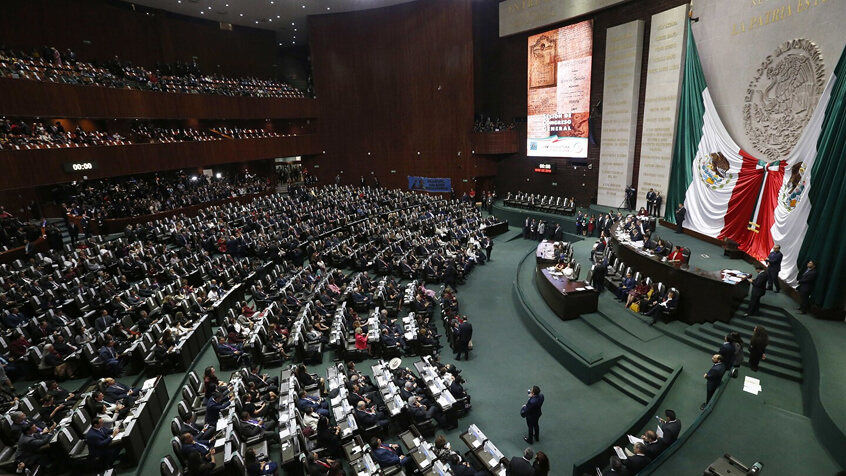
Mexico’s Senate has passed sweeping 2026 legislation that includes a major increase in the online gambling tax, raising the IEPS rate from 30% to 50%—one of the largest jumps in the country’s history. The bill, which already cleared the Chamber of Deputies, now awaits the executive’s signature.
Fiscal Transparency and Oversight
According to an official report accompanying the reform, the tax hike aims to support anti-money laundering efforts, make gambling income more transparent, and reduce opportunities for illicit operations. The government believes the measure will enhance fiscal oversight over the rapidly growing digital gambling sector.
On the Senate floor, 75 senators voted in favor and 37 against the general measure, while 76 supported and 34 opposed the specific review. Following approval, the legislation now heads to the Executive Branch for final enactment.
Revenue Goals and Broader Economic Context
Mexico’s Ministry of Finance projects that the reform could generate MXN 761.5 billion (over USD 40 billion) in 2026, roughly 10% higher than 2025 estimates. A portion of this revenue will fund public health programs, aligning with the government’s stated priorities of fiscal responsibility and social equity.
The reform also raises taxes on tobacco, sweetened beverages, violent video games, and certain public service fees, including immigration and radio spectrum use. Senate President Laura Itzel Castillo defended the changes as a way to “strengthen the nation’s fiscal capacity while ensuring social equity,” while opposition parties, especially PAN and PRI, warned it could stifle growth and push economic activity into informal channels.
Industry Concerns and Potential Consequences
Despite government intentions, gaming operators and fiscal analysts warn of potential market fallout. Projections cited by Milenio suggest the SAT could lose up to MXN 12 billion (USD 650 million) if higher taxes drive players toward unregulated platforms. Legal experts from Lazcano & Avedillo note that the hike could encourage users to abandon authorized platforms in favor of illegal alternatives, which already comprise around 60% of online betting in Mexico.
Threat to Licensed Operators
With compliance and licensing costs already high, the new tax may force legal operators to adjust business models or exit the market. Analysts caution that the reform could reduce investment and innovation in the regulated sector. Furthermore, by pushing activity underground, the policy might undermine its stated goal of curbing illicit gambling.
A Critical Juncture for Mexico’s Market
The reform marks a turning point for Mexico’s online gambling industry. While the government seeks greater fiscal discipline and transparency, the steep tax increase could inadvertently harm the very regulated market it aims to strengthen. With the bill now pending execution, industry stakeholders will closely watch whether the government implements supportive measures to prevent market flight and protect both operators and consumers.
