


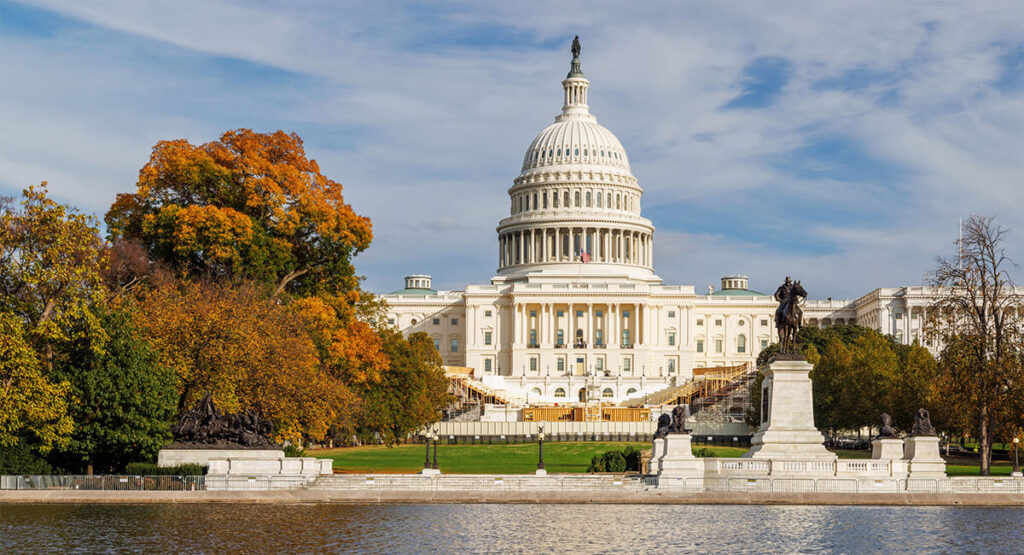
As the 2026 legislative sessions kick off across the United States, gambling has emerged as a primary battleground for enforcement. A surge of newly filed bills reveals a coordinated effort among lawmakers to move beyond mere debate and toward aggressive policing of “gray-market” products and the recalibration of legal betting frameworks.
The Great Sweepstakes Crackdown: Three Enforcement Pillars
Lawmakers are no longer debating the definition of sweepstakes casinos; they are building the machinery to dismantle them. Across multiple states, three distinct strategies have emerged:
- Criminal Redefinition: States like Florida, Utah, and Mississippi are expanding their penal codes. New measures treat online sweepstakes platforms as “illegal gambling devices,” effectively criminalizing the operation of these sites.
- Ecosystem Liability: Maryland is pioneering a “follow the money” approach. New bills require regulated operators to disclose any ties to the sweepstakes ecosystem, including payment processors and platform providers, pressuring the infrastructure that allows these sites to function.
- Administrative & Civil Action: Virginia, Maine, Oklahoma, and Indiana are proposing direct bans on dual-currency models, empowering regulators to issue immediate cease-and-desist orders and civil penalties without waiting for criminal trials.
New Jersey: The Policy Laboratory
New Jersey continues to test two opposing theories of regulation simultaneously. While the state is considering a path to formalize and tax sweepstakes casinos as internet gaming, it is simultaneously tightening restrictions on sports betting.
Prompted by recent integrity scandals in the NBA and MLB, New Jersey lawmakers are pushing for bans on micro-betting and college player props. This “integrity-first” posture suggests that even mature markets are willing to sacrifice volume for the sake of consumer protection and game safety.
“The common thread across these bills is leverage. States are no longer asking if they have the power to act—they are deciding how aggressively to use it.” — Industry Insight
Structural Shifts: Virginia and Illinois
Beyond product bans, the focus has shifted to governance and taxation:
- Virginia’s Consolidation: Lawmakers are prioritizing the creation of a centralized Gaming Commission. This suggests the state is more interested in “how” gambling is governed than “what” new games are authorized, signaling a period of regulatory stabilization over expansion.
- Illinois’ Tax Battle: A heated conflict is brewing over Chicago’s attempt to impose a municipal-level sports betting tax. If successful, this “tax layering” could cripple operator margins and drive bettors back to unregulated offshore markets, creating a dangerous precedent for other cash-strapped cities.
The Xingbow Perspective: Shrinking Margins
For operators and investors, the message of 2026 is clear: the “gray area” is shrinking. As states transition from growth-oriented policies to revenue extraction and strict oversight, the cost of operating on the legal margins is rising. We expect to see a migration of interest toward federally overseen prediction markets as state-level frameworks become increasingly fragmented and restrictive.
