


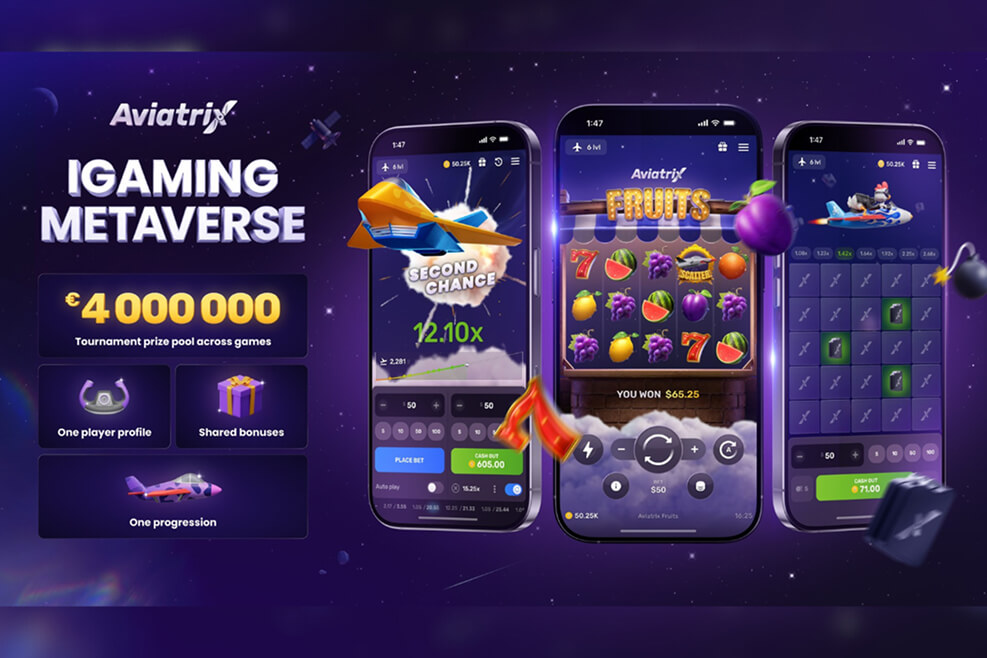
Aviatrix has introduced its second title, Second Chance, marking a major step in its transition toward what it describes as the industry’s first iGaming metaverse. After more than three years operating as a single crash game provider, the company is now evolving into a broader multi-game ecosystem.
A New Twist on Crash Gameplay
Second Chance builds on Aviatrix’s core crash mechanics while introducing a key innovation: in every round, 50% of players receive an opportunity to continue playing even after their plane would have crashed.
This feature gives players a second shot at winning, even if they miss the initial cash-out point. As a result, the game leans into high-volatility gameplay while adding an extra layer of engagement and suspense.
From Single Game to Multi-Game Ecosystem
The launch represents more than just a new title—it signals a structural shift for Aviatrix. The company is moving toward a unified ecosystem where players can maintain a single profile, loyalty system, and progression across multiple games.
This approach mirrors broader industry trends, where operators aim to increase retention by creating interconnected gaming environments rather than standalone experiences.
Toward an iGaming Metaverse
The release of Second Chance follows Aviatrix’s recent announcement of its iGaming metaverse concept. With this vision, the company aims to create a more immersive and persistent gaming environment, where different titles and player experiences are linked together.
According to Anastasia Rimskaya, the new game represents a “defining moment” in the company’s evolution, transforming its flagship crash product into a broader entertainment ecosystem.
What Comes Next
Looking ahead, Aviatrix plans to expand into additional verticals, including slots and instant games. This continued diversification will further support its metaverse strategy, positioning the brand beyond its original niche.
Ultimately, the launch of Second Chance highlights how suppliers are rethinking game design and player retention—blending familiar mechanics with new features to create more dynamic, long-term engagement.
